


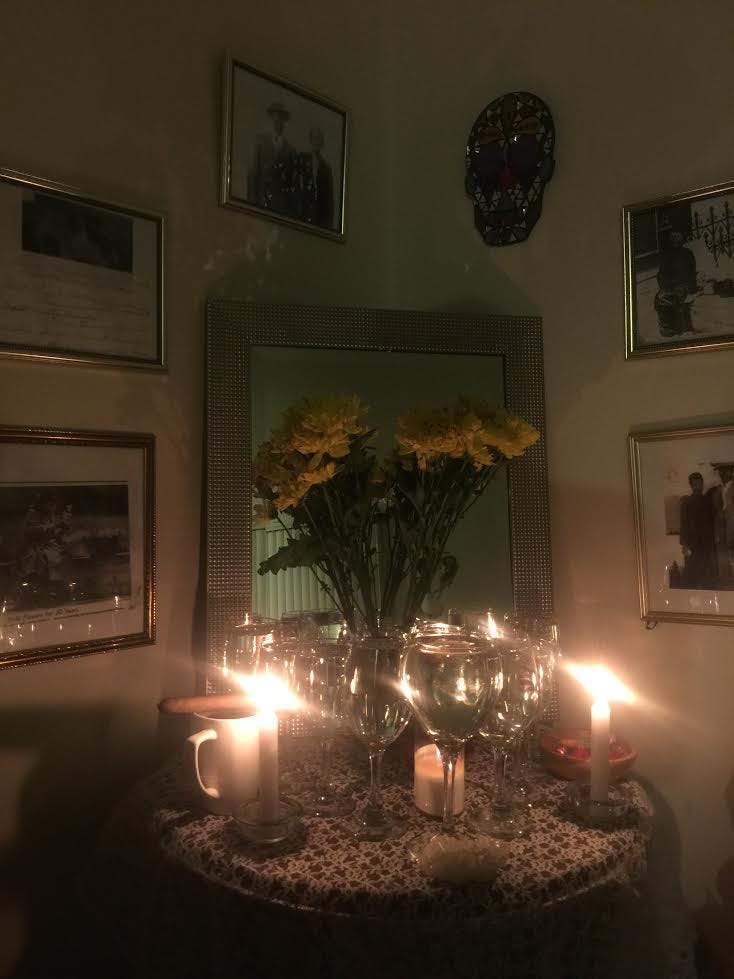
A common thread among every spiritual tradition that I know of is the understanding that the relationship between the living and the dead does not end at the grave. Across cultures and centuries, people have maintained active, tended relationships with their ancestors. We seek their guidance, offer our gratitude, and keeping the line of connection open. Ancestral veneration is one of the oldest and most universal forms of spiritual work that exists, and it is one of the most accessible places to begin a serious spiritual life.
What Ancestral Veneration Actually Is
Ancestral veneration is the practice of maintaining an ongoing, reciprocal relationship with those who came before you. Honoring is perhaps the more precise word. You honor those who gave you life and carried your lineage forward across generations so that you could be here. That lineage includes people you knew and loved, people who died long before you were born, and in some traditions, spiritual ancestors as well.
The altar is the physical anchor for this relationship. It gives the practice a place to live and gives the relationship a consistent point of contact.
Why It Works
The logic of ancestral veneration rests on a simple and ancient understanding: the ancestors have intimate knowledge of your lineage, your patterns, and the strengths and wounds carried down through your blood. They have walked the terrain of being human. Many of them struggled with the same things you struggle with. However, because they are now beyond the veil, they can see from a vantage point that the living cannot access.
More than that, they have a stake in your wellbeing. Your flourishing is a continuation of everything they built and endured. When you tend to your ancestors, you are participating in a living relationship that moves in both directions. You give them memory, presence, water, light, and food. They give you guidance, protection, and the deep steadiness that comes from knowing you are not navigating this life alone.
The altar works because it creates a consistent point of contact. When you return to the same space, make the same offerings, and speak the same names, you are maintaining a relationship.
Building a Basic Ancestor Altar
Beginning is simpler than you might expect. Choose a surface that can be dedicated to this purpose. A shelf, a corner of a dresser, or a small table will be just fine. Cover it with a white cloth. White is the color most broadly associated with ancestors and with the clarity of spiritual communication across many traditions.
Place a glass of cool, clean water at the center or toward the back of the altar. Water is a conduit between the world of the living and the world of the dead, and it is one of the most consistent offerings across ancestral traditions. Refresh it regularly, at minimum once a week.
Add photographs of your ancestors. These are the faces that anchor the space to your specific lineage. Begin with those you knew and loved. if you have no photographs, written names on a piece of paper serves the same purpose.
Light a white candle when you come to the altar to pray or speak. If you have no words, just sit in silence. The act of lighting candle when you arrive and extinguishing it when you leave is enough.
Bring food and drink offerings when you feel called to do so. Make sure its things your ancestors enjoyed in life. it can be a cup of coffee, a glass of whiskey, or even a plate of food from a Sunday meal. The offering is both an act of remembrance and an extension of hospitality.
A Word About Difficult Ancestors
Many of us carry blood from people who caused harm or who passed on patterns of pain. This is worth naming plainly because it comes up. Beginning your altar with the ancestors you feel warmth toward is entirely appropriate. As your practice deepens, you may find yourself drawn to address more complex ancestral healing, but that work has its own timing and often benefits from guidance. Starting with those you trust is both practical and wise.
How to Work Your Altar
The altar is a living space, which means it requires tending. Refresh the water regularly. Speak to your ancestors. The language does not have to be formal. Tell them what is happening in your life. Ask for their guidance. Sit quietly afterward and notice what comes. Light your candle with intention. When you arrive at that space distracted and rushing, you are not really arriving. The altar will teach you what presence means if you let it. Over time, you will likely find that this space becomes one of the most grounding places in your home. That is the relationship working.
If you have been feeling disconnected, unsteady, or like you are moving through your life without a sense of backing, beginning an ancestral practice is one of the most direct things you can do. If you want support in understanding what your ancestors are already trying to tell you, a reading can open that conversation in ways that a how-to article cannot. Book a Reading.
Papa Eli